Texas just built America’s biggest recreational market without a single rec law on the books. Licensed cultivator and Texas Growers podcast host Colton Luther breaks down how the Lone Star State turned hemp into a $10 billion industry – and why that market isn’t collapsing anytime soon, despite vape bans and repeated legislative attacks.
In a recent Inside Cultivation episode, BigMike sat down with Colton to unpack the state’s explosive growth, legislative battles, and what it means for growers nationwide.
If you’re growing in Texas, considering entering the market, or just trying to understand how one conservative state accidentally created the nation’s most explosive opportunity, these five realities from their conversation will cut through the noise.
Who Is Colton Luther?
Colton didn’t start as a grower. He started as a marketing professional who saw an underserved industry exploding in 2019. CBD was hot, but nobody was telling the story right. Rather than keep building brands for other people, he pivoted: “I didn’t really want to help so many other people develop their brand when I could do that myself.”
Today, he operates Jeremy Greens and Texicana Organics, running 2,000 square feet of indoor flower production plus a 1,000-square-foot greenhouse for small-batch craft cultivation, alongside a commercial kitchen churning out edibles. He also hosts the Texas Growers podcast, giving the state’s cultivators a platform they never had before.
And recently? He spent an hour with Governor Abbott discussing how to regulate this market without killing it.
Here’s what he told Inside Cultivation.
Truth #1: Texas Accidentally Built America’s Biggest Recreational Market With Zero Rec Law
In 2019, Texas copied the federal Farm Bill’s 0.3% THC threshold – same molecule, different label. Overnight, Texas created what Colton calls “virtually a recreational market” for the state.
“Hemp-derived, right? Which is the exact same molecule that exists in cannabis or marijuana,” Colton explained. The legal workaround allowed cultivators to grow, process, and sell products that consumers quickly realized worked just like the illegal stuff – except it was safe, regulated, and available at local shops.
Fast forward to today: The Texas hemp-derived cannabinoid industry generates roughly $5.5 billion in direct annual revenue (with retail sales alone at about $4.3 billion), creating an overall economic impact of $10 billion+ across jobs, wages, and the supply chain. Colton notes the market has grown rapidly.
How? More people figured out high-quality flower was legal and available. Social media, podcast interviews, and ironically, legislative attacks brought massive attention to the market. As Colton jokes, Lieutenant Governor Dan Patrick has been “employee of the month” at every dispensary – his attempts to ban hemp only drove more consumers to discover it.
By 2030, Texas projects hitting $20 billion. And Colton says that’s conservative: “With one money wire and a few phone calls, we can do two, three, five times what we’re doing right now.”
Truth #2: Vapes Are Gone, Flower and Edibles Are Still 100% Safe
In September 2025, vape bill SB 2024 took effect, banning all inhalables containing cannabinoids or nicotine that are manufactured in China (and meet other criteria)
“Your vape price just went up,” Colton said.
But here’s what didn’t get touched: flower and edibles. These remain the top sellers and are completely legal.
While the hemp industry was busy fighting off broader prohibition bills like SB 3, SB 5, and SB 6, lawmakers quietly tucked the SB 2024 vape ban into the mix – a classic political move that caught many off guard.
Colton’s response? Lawsuits. The hemp industry in Texas has a strong track record of winning injunctions against the state. “We’re very good at suing our own government,” he said, adding that they expect an injunction within 90 days of the ban taking effect.
For most small operators, vapes weren’t the primary revenue driver anyway. “We don’t have a chemist on staff, most of us,” Colton noted. Flower, pre-rolls, and edibles dominate sales – and those aren’t going anywhere (though smokable flower faces a separate threat from proposed DSHS rules that could redefine THC to include THCA and impact availability as early as late January 2026).
Truth #3: There Are Only 1,500–2,000 Real Dispensaries, Not 8,000
Politicians love citing “8,000 dispensaries” when attacking the hemp market. That number is misleading.
“That’s including every liquor store that sells THC beverages, every gas station that sells any cannabinoid or hemp supplement, grocery stores with hemp seeds,” Colton clarified. The real number of legitimate, gated dispensaries with ID checks, educated budtenders, and quality product? Around 1,500 to 2,000.
This distinction matters. The inflated number gets used to paint Texas as overrun with unregulated chaos, when in reality, serious operators are running tight ships with compliance, quality control, and customer education.
Colton’s advice to growers: know your real market. The legitimate dispensaries are your customers. The gas stations selling mystery products aren’t your competition – they’re the reason regulators are paying attention in the first place.
Truth #4: The Best Operations in Texas Right Now (So You Know the Benchmark)
Want to know what elite cultivation looks like in Texas? Here’s the current landscape:
Jeremy Greens (Colton’s operation): 2,000 square feet of indoor space plus 1,000 square feet of greenhouse, focused on small-batch craft flower. This is the model for quality over volume – dialing in genetics, optimizing every environmental variable, and producing flower that commands premium pricing.
Caprock Family Farms: The state’s largest cultivation facility, located in Lubbock. They’re managing “probably a million to two million plants in rotation” at any given time. This is industrial-scale hemp done right – managing genetics across Texas’ diverse climate zones and supplying massive volume to meet market demand.
Fresh Grown Texas: Leading cultivation down south in Corpus Christi, near the coast. They’ve built a vertically integrated operation and brought in experienced talent from other markets to elevate Texas production standards.
These aren’t the only players, but they represent the spectrum: craft precision, industrial scale, and regional excellence. And they’re all using similar strategies – science-backed cultivation methods, quality inputs, and relentless focus on terpene and cannabinoid expression.
For growers looking to enter the Texas market or level up their current operation, these are the benchmarks. Study what they’re doing. Understand that Texas isn’t a race to the bottom on price – it’s a race to the top on quality and consistency.
Truth #5: This Market Isn’t Dying Anytime Soon
Every legislative session, new ban bills emerge. Every year, critics claim Texas hemp is on borrowed time. And every year, the market grows.
Colton is clear-eyed about the future: “For at least the next half a decade or more,” flower and edibles will remain strong. Even with regulatory pressure, even with vape bans, the fundamentals are solid.
Why? Consumer demand is real. Veterans, medical patients, recreational users, and wellness consumers have all discovered products that work. Telling 10 million Texans they can’t access something they’ve been using safely for years isn’t politically viable – especially when the industry generates roughly $5.5 billion in direct annual revenue (with an overall economic impact of $10 billion+ across jobs, wages, and supply chains) and contributes an estimated $268 million in tax revenue to the state.
Governor Abbott knows this. In Colton’s hour-long meeting with him, the conversation wasn’t about killing the industry. It was about regulation: “How could we get this done and get it regulated to an extent that a legal market is? Can we have labs in every major county? Can we have enforcement?”
Abbott vetoed the original ban bill. He’s held two extended meetings with industry leaders. He understands that wiping out billions in economic activity – and alienating the entire veteran and medical cannabis community – would be political suicide.
The path forward isn’t prohibition. It’s regulation, taxation, and integration into the broader Texas economy.
Colton and other industry leaders are working with lawmakers to define what that looks like: age restrictions, lab testing, proper labeling, enforcement against bad actors.
The market will evolve. It will face challenges. But it’s not going away.
What This Means for Growers Nationwide
Texas proves something important: hemp-derived products aren’t a loophole – they’re a legitimate market.
When done right, with quality genetics, proper cultivation techniques, and commitment to consumer safety, hemp can build billion-dollar industries even in conservative states.
For cultivators watching from other markets, Texas offers lessons:
Quality wins: The operators thriving in Texas aren’t cutting corners. They’re investing in genetics, dialing in environments, and producing flower that rivals anything from legacy markets.
Regulation isn’t the enemy: Colton and other Texas leaders are actively working with lawmakers to build smart regulations. They know that bad actors and synthetic products threaten the entire industry – and they want enforcement that protects legitimate operators.
Community matters: The Texas Growers podcast, industry advocacy groups, and cultivator networks have built something powerful – a united front that fights back against legislative attacks and educates consumers about quality products.
E-commerce changes everything: Unlike traditional cannabis markets trapped behind state borders, Texas hemp operators can ship products nationwide. This fundamentally changes the economics and growth potential.
The Full Interview
This video requires cookies to load.
By clicking "Accept all cookies", you agree to all cookie categories.
Colton Luther’s conversation with BigMike covers even more ground: his meeting with Governor Abbott, the political chess game around hemp legislation, how Caprock Family Farms manages two million plants, why outdoor cultivation works across Texas’ diverse climate zones, and what MJBizCon’s Texas Takeover will reveal about the state’s future.
Watch or listen to the complete episode – it’s an hour of insight you won’t find anywhere else.
And if you’re serious about staying ahead in cultivation, subscribe to Inside Cultivation. Every episode brings you inside the minds of the growers, operators, and innovators pushing this plant to its full potential. Whether you’re running a 50,000-square-foot facility or dialing in a home grow, you’ll find strategies and insights that matter.
The Texas story is just beginning. And the lessons it offers apply far beyond the Lone Star State.
Listen now, and follow @InsideCultivation on Instagram for exclusive clips and episode updates.
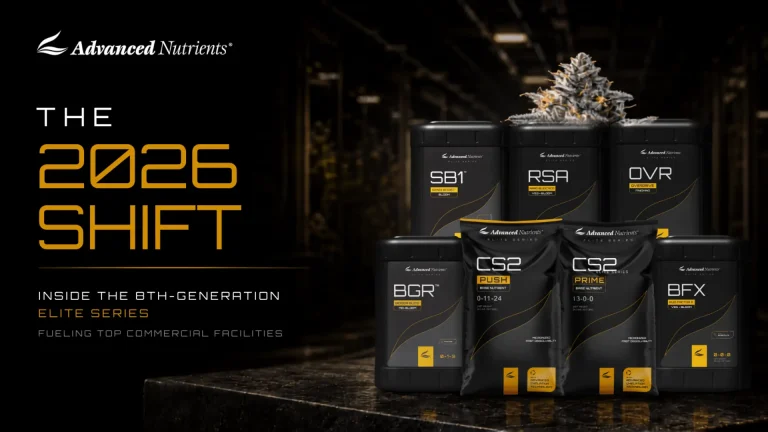
Check out our new 8th-Generation Elite Series. Our most powerful system yet, it’s designed to help commercial cultivators drive yields, enhance terpenes, and run leaner, more profitable grows.
And if you want real-time, no-fluff cultivation help, join the official Advanced Nutrients Discord, where serious growers swap strategies, troubleshoot issues live, and get direct input from the team.