


In This Article
- Why Jason Gellman went legal, and what he decided Ridgeline would stand for
- How a Southern Humboldt farm stayed open while most of its neighbors closed
- The soil beds that have been in production for 13 years, and why
- The Advanced Nutrients products in his program right now
- What three Emerald Cup firsts and back-to-back Golden Bears actually prove
- Why he judges a harvest by the smoke instead of the lab number
- Where Ridgeline goes next, and what he wants from the 8th Generation
Better, Not Bigger
Jason Gellman was born in Eugene, Oregon. His family moved him to Southern Humboldt County before he turned five, and that move decided his career.
He grew up in a family of growers and learned from his father, his neighbors and the wider Southern Humboldt community. In a county where cultivation was woven into the local economy, nearly everyone around him touched the plant in some way.
“This community raised me as much as my family did,” he says. “I left home when I was 15.”
Jason went legal in 2016, and the reason was personal. He was raised in a house that was raided more than once. He has two kids, and he didn’t want them carrying what he carried.
Going legal meant he needed a brand. He lives on a ridge that looks out at King Peak, so the name for Ridgeline Farms was already sitting in front of him.
He settled early on what Ridgeline would stand for and has never moved off it.
“It wasn’t about going bigger,” he says. “It was about better.”
That single decision is the thread running through everything that follows.
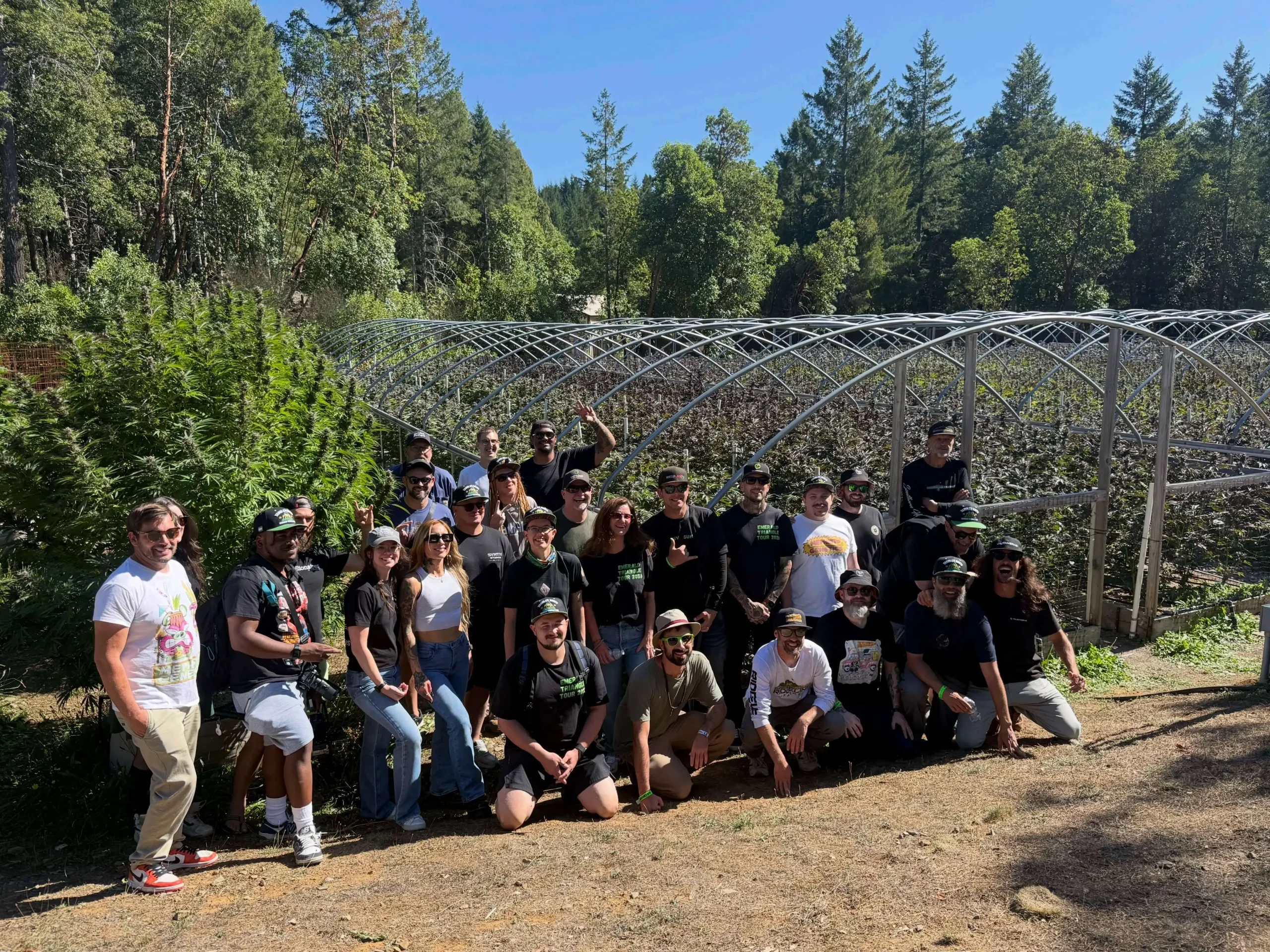
A visit to Ridgeline a few years back captured the same family, community and generational farming roots that still shape the way Jason grows today.
Surviving a Market That Removed Almost Everyone
Jason remembers when a pound of Humboldt flower sold for around $5,000. That was roughly 1990. By 2015 the number was closer to $1,500. When licensed adult-use sales opened in 2018, it was near $1,000. Today he says a farm can be looking at $250 to $300.
The collapse didn’t land evenly.
Legalization and collapsing prices made it impossible for many old-school growers to keep making a living, including people who had gotten by for years on 15 or 20 plants. Jason counts his own father among them.
The brand side thinned out just as fast.
“When this first started, there were more brands than NASCAR,” he says. “Basically that’s been knocked out by about 98 percent. There’s only a few brands left in this area that are still going.”
Ridgeline is one of them, and Jason doesn’t credit luck. He entered competitions when most licensed farms would not. He also found his own answer to a question that had followed him since childhood.
“My family are such craftsmen. They were good artists, good carpenters, musicians,” he says. “I never was an artist, and I was always like, what is my art? Then I finally realized my art is growing really nice weed.”
How an Award Winning Cannabis Grower Builds a Repeatable System
Repeatability is a system question, not a product question. Ridgeline is a sun-grown and mixed-light farm running living soil in the same greenhouses it’s always used, and almost nothing about the foundation has changed since Jason went legal in 2016.
Soil Beds Still in Production After 13 Years
Jason’s longest-running bed has been in production for 13 years. He’s still growing in the same ground he was farming when legalization arrived.
“I’ve always added amendments,” he says. “And I haven’t beat them up with salts.”
The testing discipline is newer.
Before legalization, Jason says growers around him rarely tested their soil or their cultivars.
Now the cycle is fixed: test the soil every year, amend against the results, add soil, and keep the bed alive rather than rebuilding it.
Feeding the Soil Instead of Forcing It
For years Jason ran teas. He moved to the Advanced Nutrients organic line and stayed.
“When you use organic in dirt, it just gets better,” he says. “It doesn’t get worse, it doesn’t get burned out, and it doesn’t get a build-up of salt.”
That’s why his beds get kept instead of replaced. In a long-term living-soil system, a root zone that stays biologically active keeps cycling nutrients into forms the plant can take up, and that availability sits upstream of everything a grower cares about at harvest: flower size, resin, aroma and flavor.
A Short Feed List, Run With Discipline
Jason estimates he does about 90 percent of the work himself. His wife helps. A friend helps. That’s the whole labor model, and it forces a simple program.
So the feed list stays tight, built around products he can run consistently without turning the program into a full-time job of its own.
He runs Bud Candy®, though he’s pulled the rate back over the years.
The Variables He Cannot Control
Jason started this season with 56 new genetics and cut to 36. Add an unpredictable mountain climate and not every variable can be controlled. What stays consistent is the system underneath it all.
The Advanced Nutrients Products Jason Uses
Jason first used Advanced Nutrients before he went legal in 2016. His partnership with the company began about six years ago. What moved him from teas to a full program was not a sales pitch.
Seeing other growers succeed with Advanced Nutrients was what convinced Jason to test the program himself. Even after a lifetime of growing, he still treats cultivation as something to learn rather than something he’s finished mastering.
The base came first.
“The Iguana grow and bloom, 100 percent. They are amazing,” he says. “It’s so easy. You put it on your plants and they react, and you can see it instantly.”
The clearest proof he offers isn’t from his own farm. His father still grows the old way, on chicken manure and fish emulsion, and his plants often showed visible deficiencies.
After Jason handed him two jugs of Iguana Juice® Grow & Bloom, he says his father started seeing some of his best results in years.
Voodoo Juice® Plus tablets earned their place through a problem that stopped happening. The quick-dissolving 0-0-0 tablets bring together the microbial spectrums previously delivered by Voodoo Juice®, Piranha® and Tarantula®, giving Jason one product to measure and store instead of three, with no declared NPK added to a program he already has dialed in.
“Throughout growing, you’ll see a branch die and you’ll look down the branch and find stalk rot. Or you’ll see a big plant start dying, you reach out on the base and it’ll be mushy,” he says. “Since I’ve been using those pills, I’ve not had stalk rot. I’ve not had any mushy stalks or any mold up the stalks, and I feel like that’s why.”
The Advanced Nutrients products Jason uses include:
On Big Bud, he’s gone back and forth between the organic and the mineral version. As a primarily organic grower the switch was not automatic, but the mineral formula mixes cleaner and comes already broken down, and that matters when one person is running the whole farm.
What’s kept the partnership with Advanced Nutrients going isn’t just the catalog.
“They’ve been amazing to me. They helped me out in a time that’s really hard,” he says. “They’ve had my back. They’ve had great customer service. Somebody I could always talk to. I can’t even thank them enough for supporting me through these last six years.”
Cannabis Awards 2026: What Ridgeline’s Wins Represent
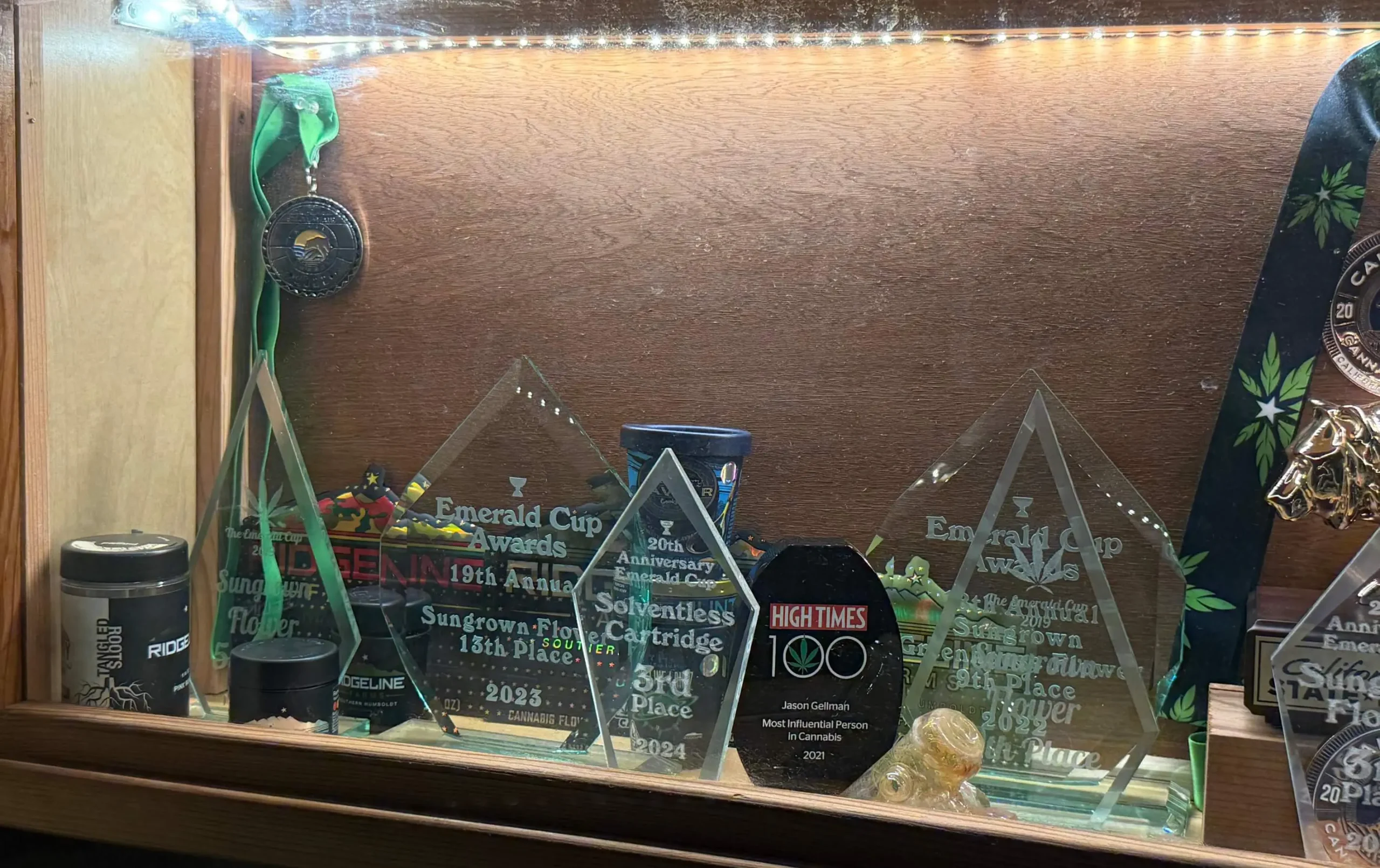
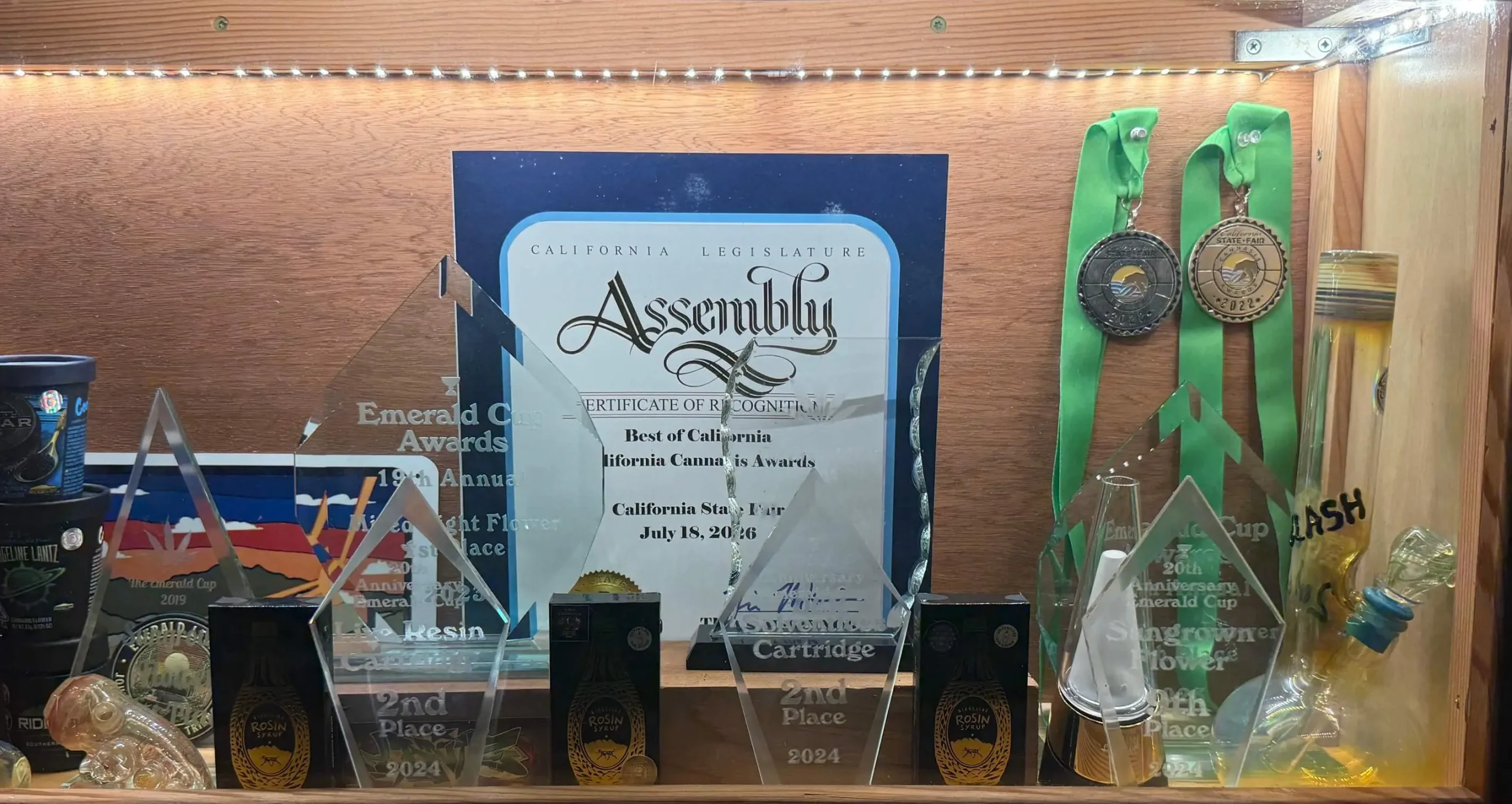
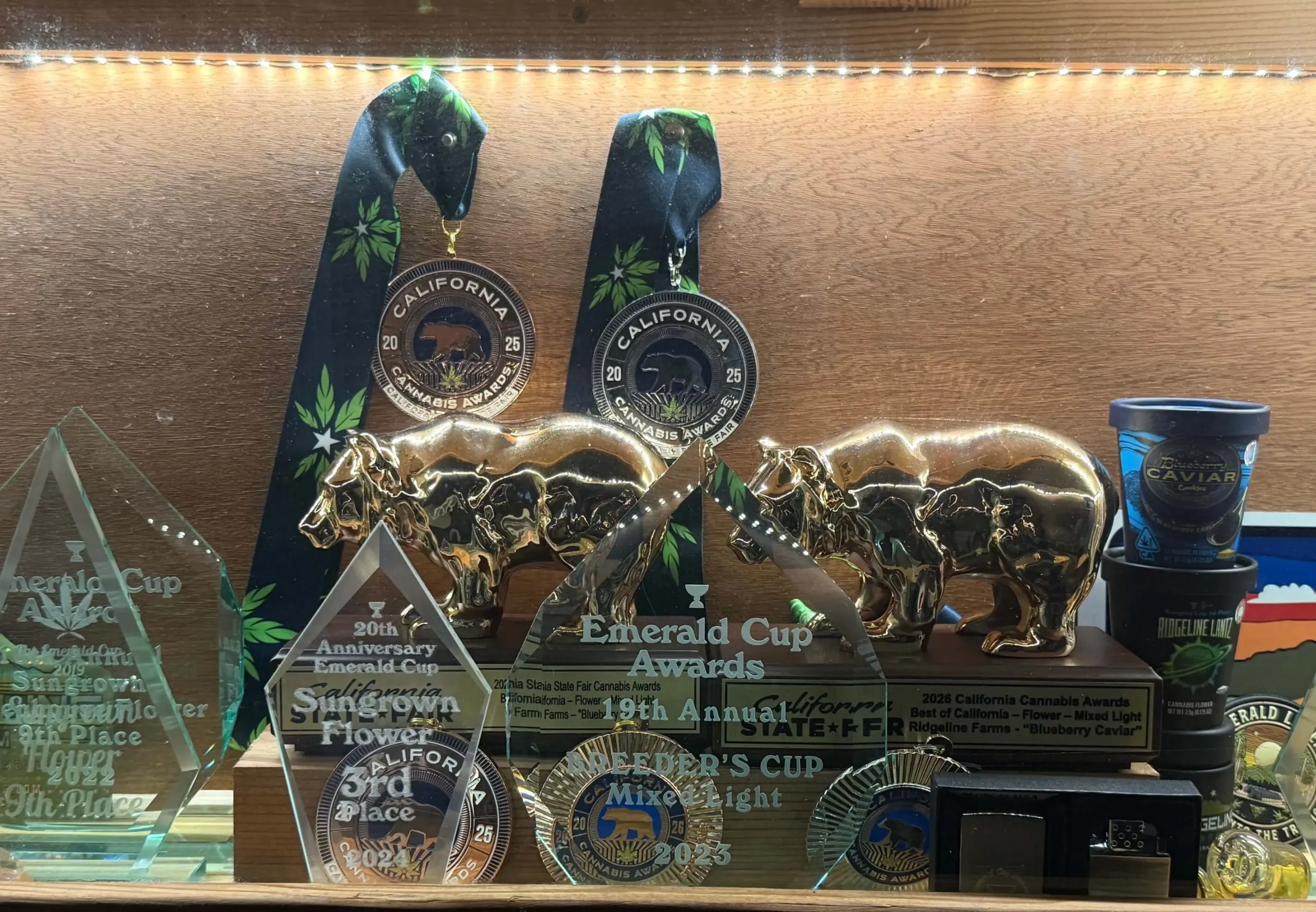
Jason counts three Emerald Cup firsts and more than 15 awards overall. These include:
- 2018 Emerald Cup. First place in sungrown flower with Green Lantern, at the first Emerald Cup held after California’s adult-use market opened.
- 2019 Emerald Cup. First, fifth and ninth in sungrown flower with Ridgeline Runtz, Ice Cream Cake and Green Lantern.
- 2020. Ridgeline Runtz named Leafly’s Strain of the Year.
- 2023 Emerald Cup. First place in mixed light flower and the Mixed Light Breeder’s Cup with Lantz, plus a third-place finish for Best Tasting at Zalympix with the same cultivar.
- 2025 and 2026 California Cannabis Awards. Back-to-back Golden Bears, the 2026 award coming in Mixed Light Flower for Blueberry Caviar.
Ridgeline picked up a second honor at the same 2026 awards. California consumers voted the farm first place in Mixed Light Flower in the Consumers’ Choice contest, a separate result decided by thousands of public votes rather than by a judging panel.
That first win changed his life in an afternoon.
“Winning first place that year was absolutely surreal,” he’s said. “One day I was an outlaw; the next I had a hundred cameras in my face.”
The second year is the one that settled the question. Three placements in a single category is difficult to write off as a good season.
“We just crushed it,” he says. “That really solidified that this wasn’t a fluke.”
The genetics behind the recent wins came from inside the farm. Lantz is a cross of his own two Emerald Cup winners, Green Lantern and Ridgeline Runtz. The project began in his father’s garden and took more than four years of crossing and phenotype selection before Lantz emerged.
Blueberry Caviar, the Golden Bear winner, is an in-house cross of Grape Gas and Lantz.
Why the Judging Format Matters
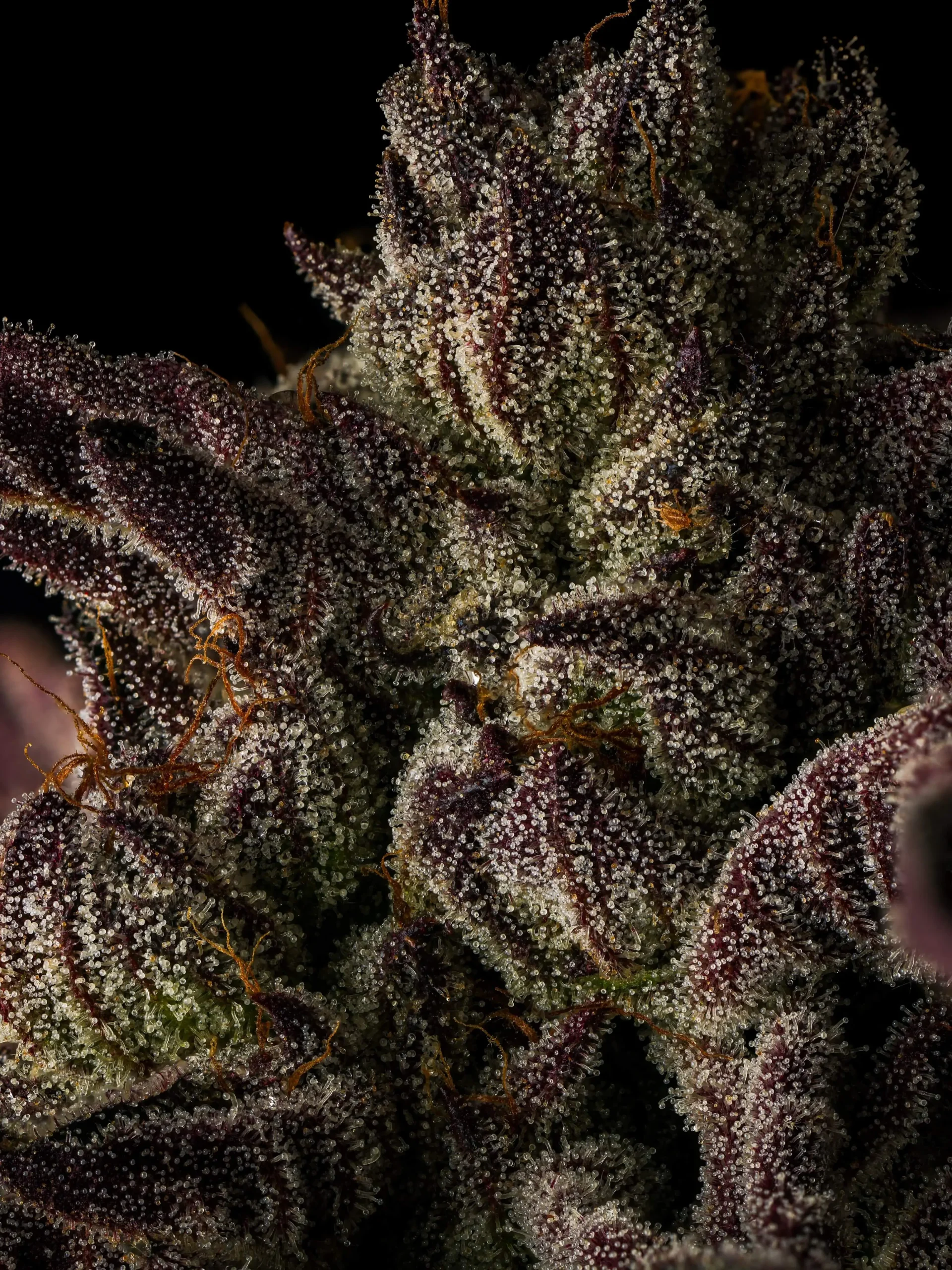

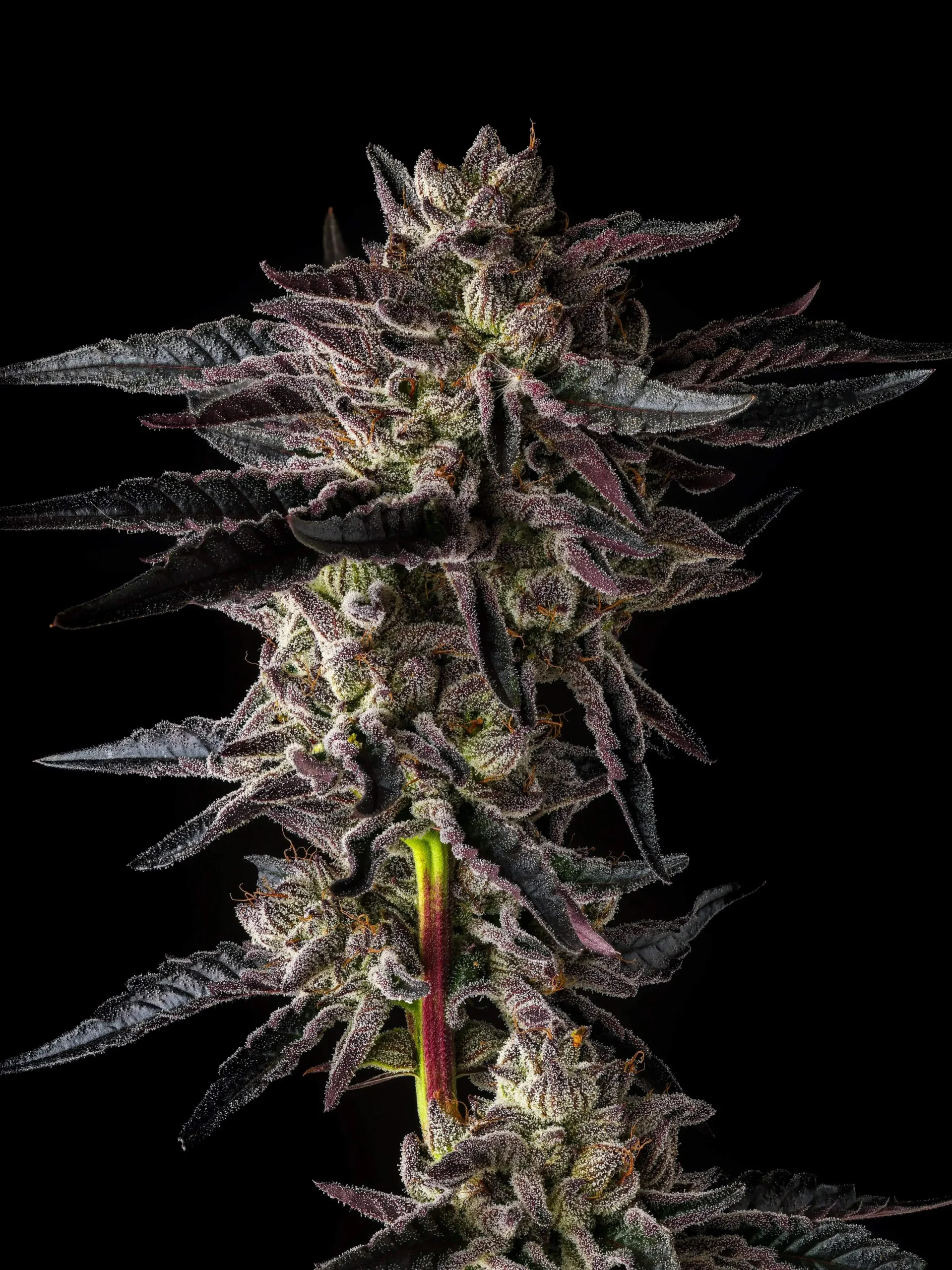
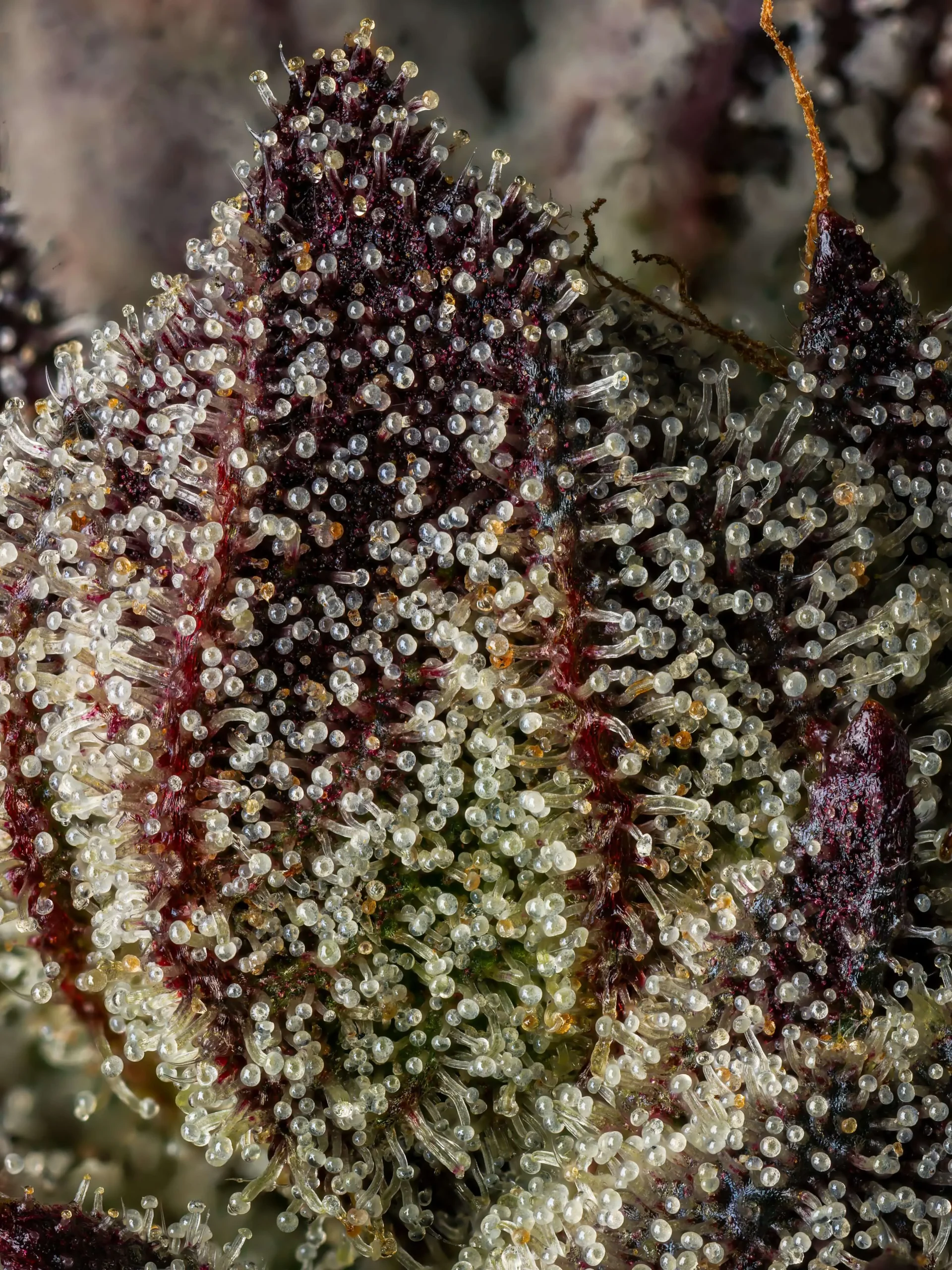
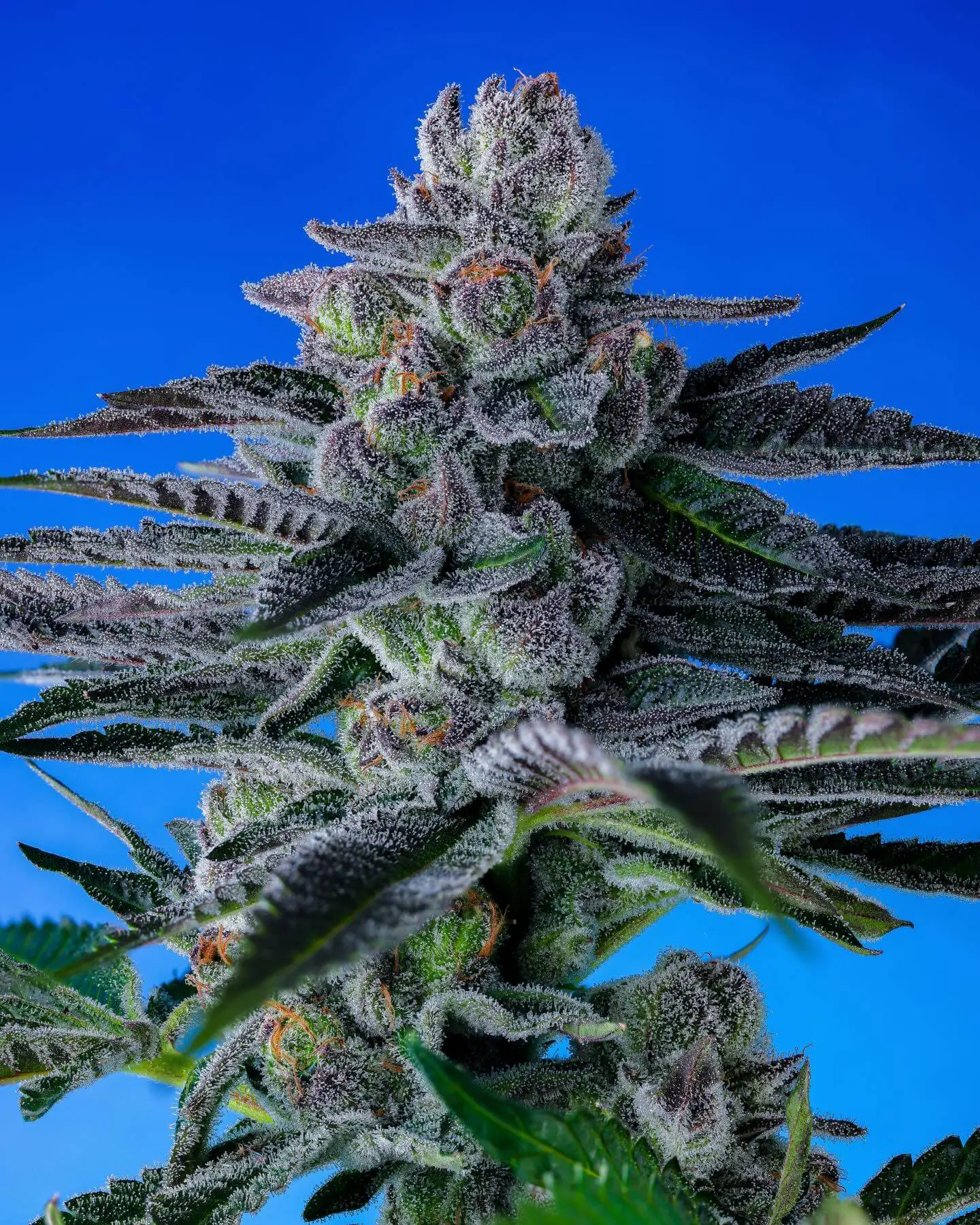

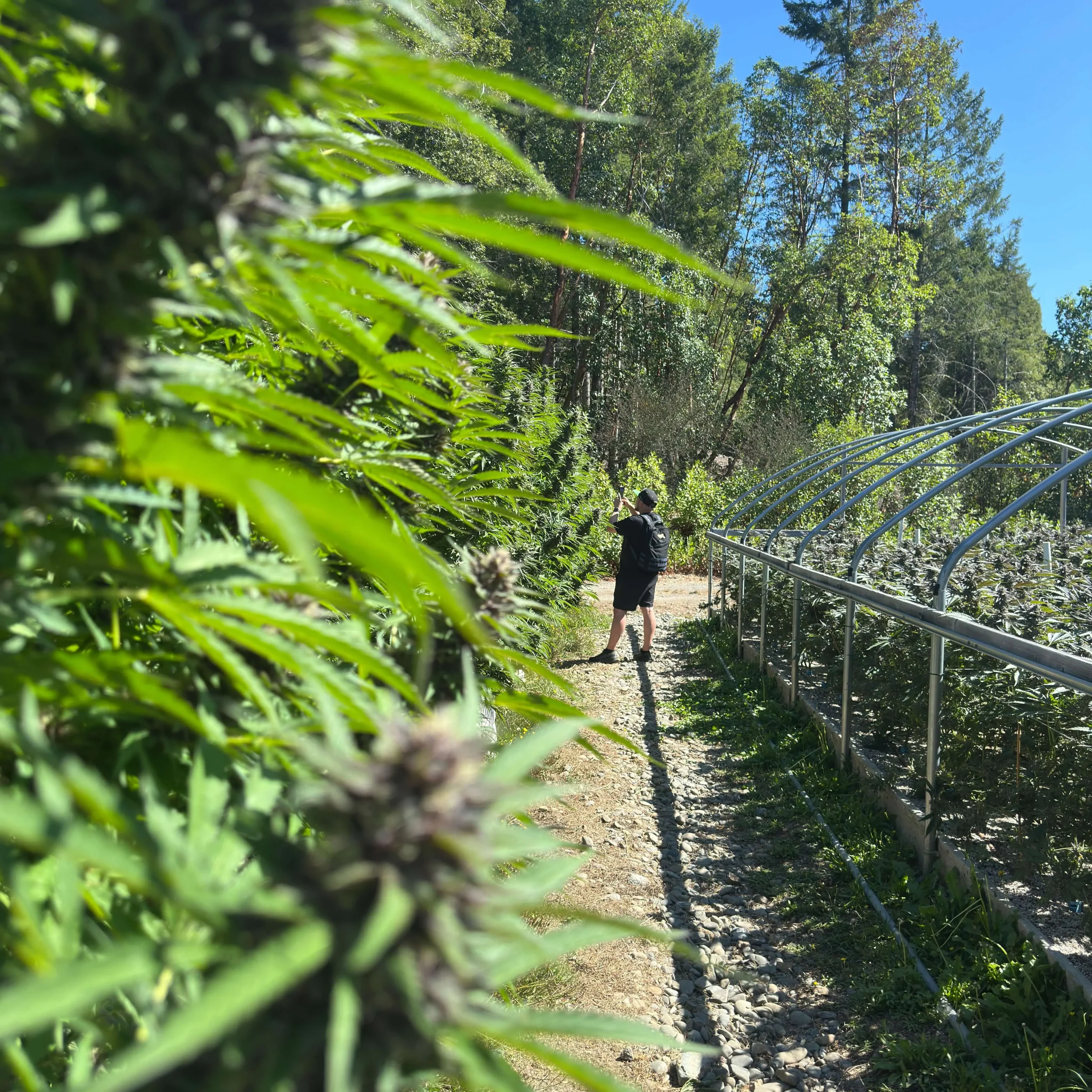
Photos by @ridgelinefarms
Flower entries at the 2026 California Cannabis Awards were lab-tested, then moved through a blind sensory panel with brand identity removed from the judging. What was left on the table was the flower itself: how it smelled, how it tasted, how it finished.
That’s the cleanest test a cultivator can be put through, and it is the same test a consumer runs at home without calling it one. Bag appeal opens the door. Flavor closes the deal. In a market crowded with lookalike mids, a blind panel leaves the flower itself to do the talking.
Two separate verdicts landed on the same farm in the same category that year. One came from a blind expert panel. The other came from California consumers voting in the Consumers’ Choice contest.
Jason has been grading himself by a similar standard for years.
“I built my reputation on high quality, and high quality for me isn’t just the look at all,” he says. “The smoke is my number one. I don’t really worry about the test scores as much, because I don’t really believe in them.”
Smokeability is the word he uses, and flavor and aroma are a large part of what it covers. Terpene expression is a major contributor to both, and producing it is metabolically expensive work.
Genetics set the ceiling. Reaching it depends on supplying the plant with the nutritional building blocks its pathways need, at the stages it needs them. That’s the job cannabis-specific nutrition is built for.
When he accepted the 2026 Golden Bear, Jason pointed the credit somewhere else.
“This isn’t just about one farm or one harvest; it’s about the people who came before us, the legacy farmers who built this culture long before there were awards,” he said. “The ones who took the risks, protected the genetics and passed down the knowledge that shaped Humboldt County.”
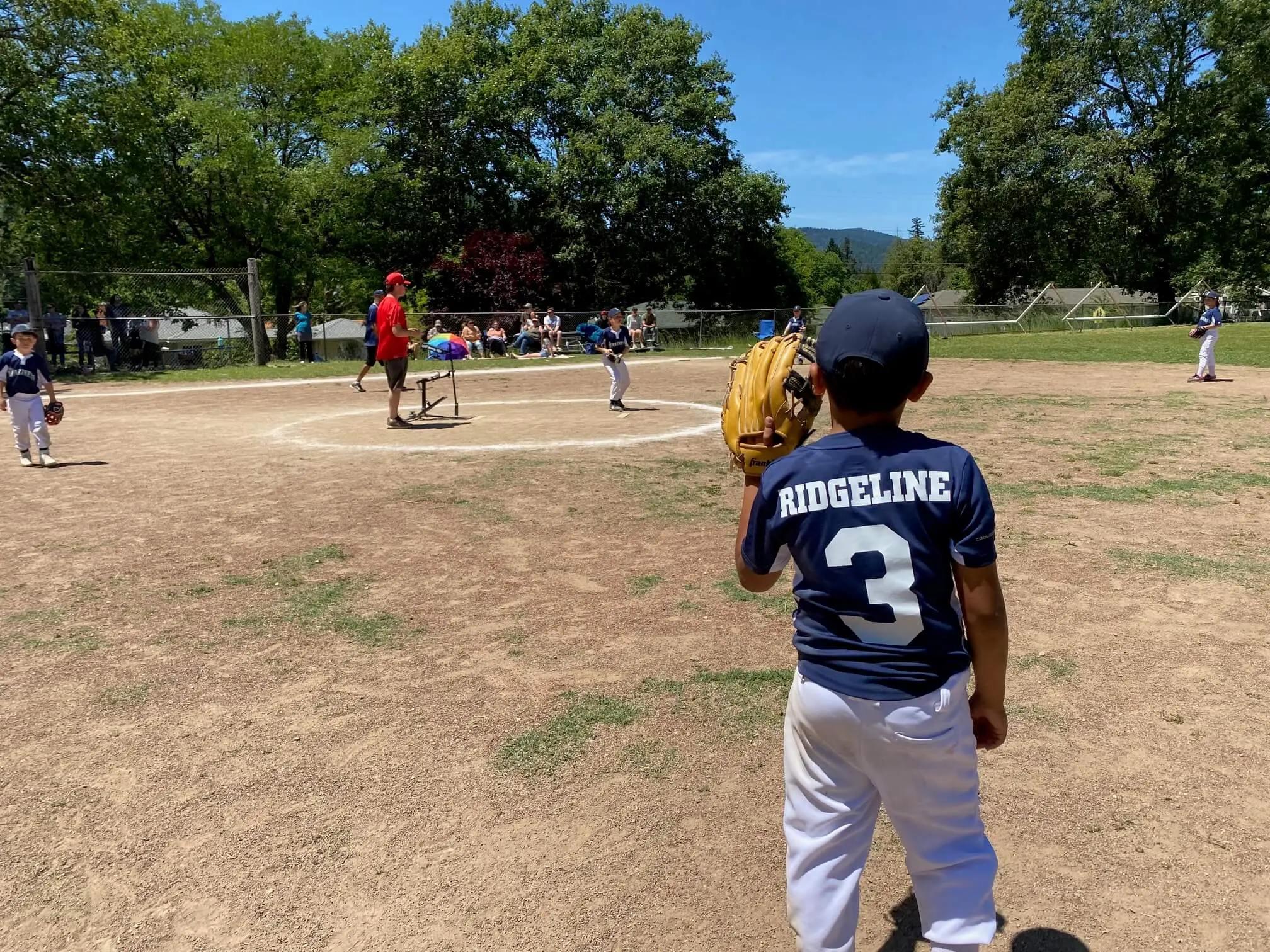
Another source of pride has nothing to do with competition. Ridgeline sponsors youth sports across Southern Humboldt, with the farm’s name on team jerseys and banners at local baseball, soccer and basketball venues. For Jason, being able to give back to the community that raised him is one of Ridgeline’s real highlights.
What Comes Next for Ridgeline
Jason’s priority now is breeding. Lantz is already moving internationally, and Blueberry Caviar reached shelves through Cookies. He wants Ridgeline genetics in more gardens around the world, and says feedback is already coming from Colombia, Australia, Germany and elsewhere in Europe.
He’s also clear about the one thing he still wants to improve, and it isn’t yield.
“I’m always looking for a nice yield, but I think that’s there,” he says. “Really, improving comes down to smokeability.”
That’s the specific reason he’s looking at the 8th-Generation Elite Series. It’s the next variable he’s evaluating, and he’s evaluating it against the only standard he’s ever used: how the finished flower smokes.
He said as much on his own feed: “I’m looking forward to trying the new 8th Generation line and seeing what it’s all about.”
The support relationship is already in place. Jason works directly with Advanced Nutrients cultivation reps who, he says, listen to what’s working and what isn’t and help adjust recipes when needed.
Jason sees craft cultivation under pressure from corporate-scale production, with much of the growth now in home gardens rather than licensed acreage. Still, he believes consumers eventually come back to flower grown with attention and care.
“You can feel the difference in that weed when you smoke it,” he says. “It’s just a whole different thing.”
Build the System Around Your Own Variables
Ridgeline’s program works because it was built around Ridgeline’s ground, Ridgeline’s climate and Ridgeline’s genetics. Copying a feed chart off another farm isn’t the lesson here. Building a system around your own facility is.
Advanced Nutrients has spent 27 years on cannabis-specific plant nutrition, backed by 57+ documented industry firsts and a 100% Money-Back Grower Guarantee. And Jason isn’t the only one putting it to work. See the real-world results other cannabis champions are getting.
Commercial and craft cultivators can book a tailored consultation with the Advanced Commercial Team to build a program around their genetics, nutrition, workflows, environment and production goals.
Subscribe to the Advanced Nutrients newsletter for cultivation science, product updates and grower insights.
Jason’s own summary of the work is shorter than any of it.
“Respect the plant. Respect the community that helps you learn how to grow the plant. Be consistent, and grow the best weed you possibly can in the world,” he says. “There’s no cheat codes here. There’s no skipping ahead. You have to stay your course and work really hard, because as soon as your quality goes down and people lose trust in what you’re doing, that’s when people fail.”


